
The diaspora doesn’t lack money. It lacks a school.
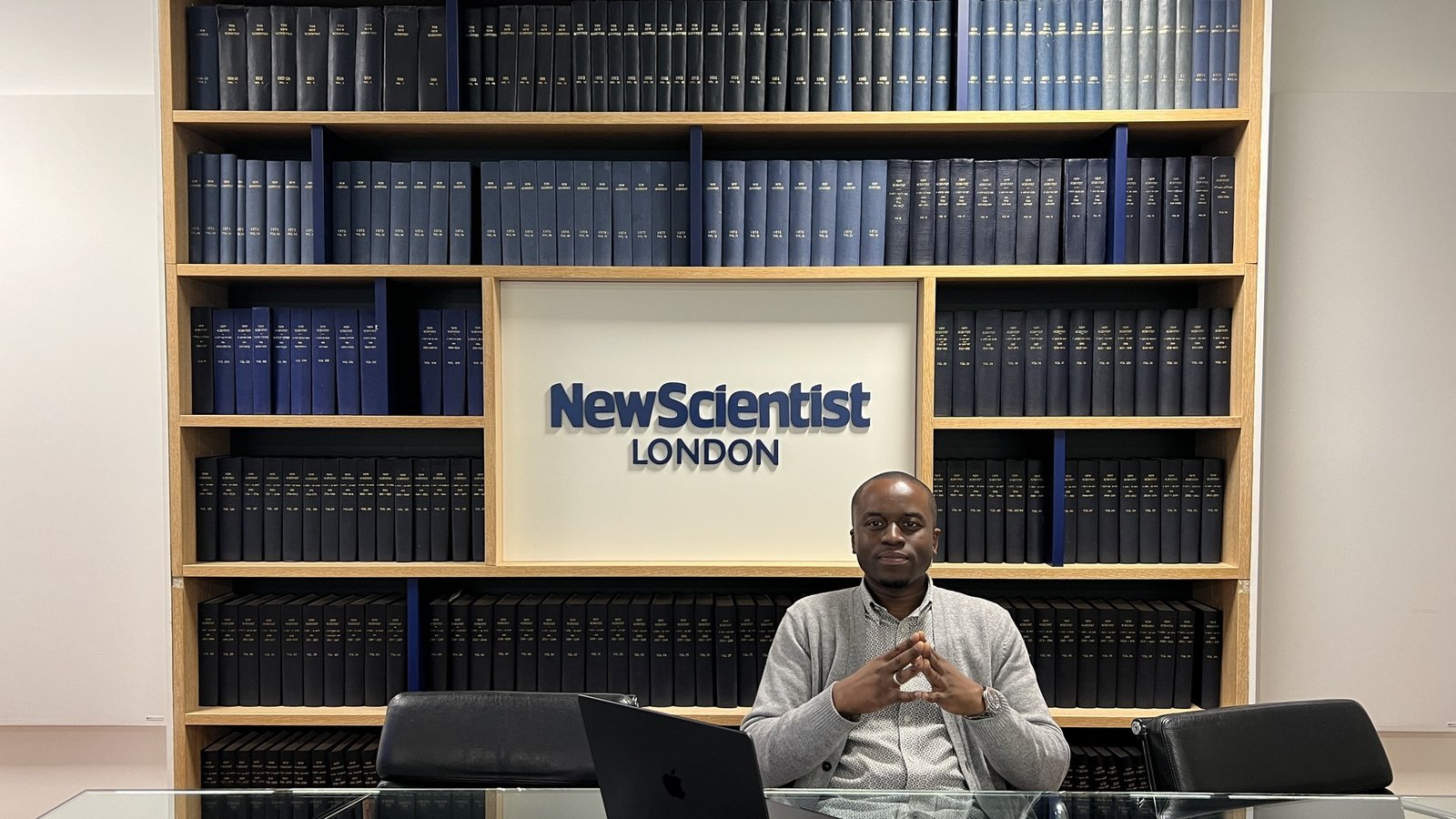
I’m Michael — founder of The Mainland.
A line about me, so you can judge the source: business analysis for a career — the Financial Times, Daily Mail Group, Euromoney — a Postgraduate Diploma in Business Administration, MBCS, a Corporate Director Certificate from Harvard Business School, a board seat at a West African telecoms operator, and Accra as home. None of that makes me right; the process either holds up on the page or it does not. Read the free guides and judge it yourself.
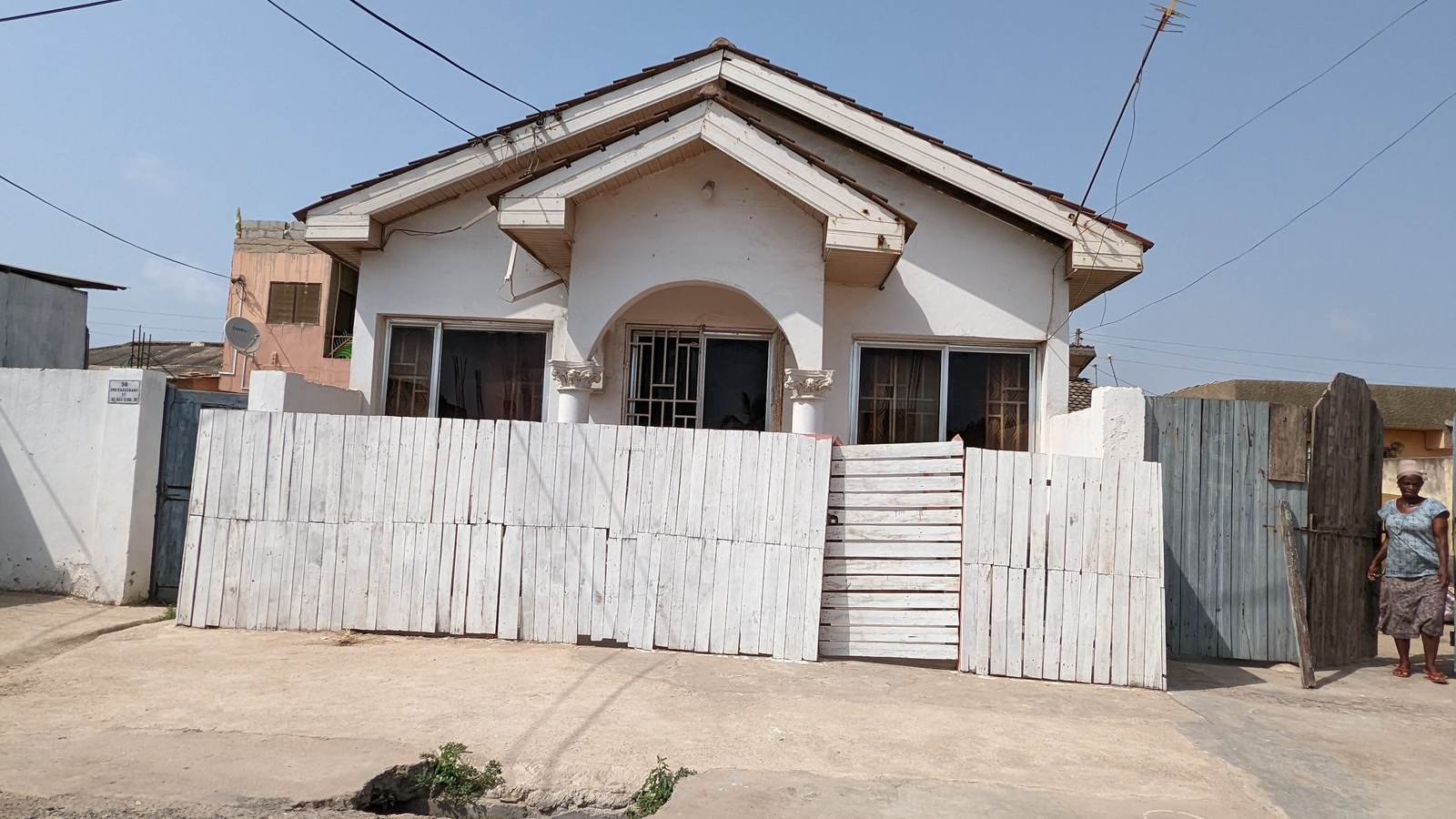
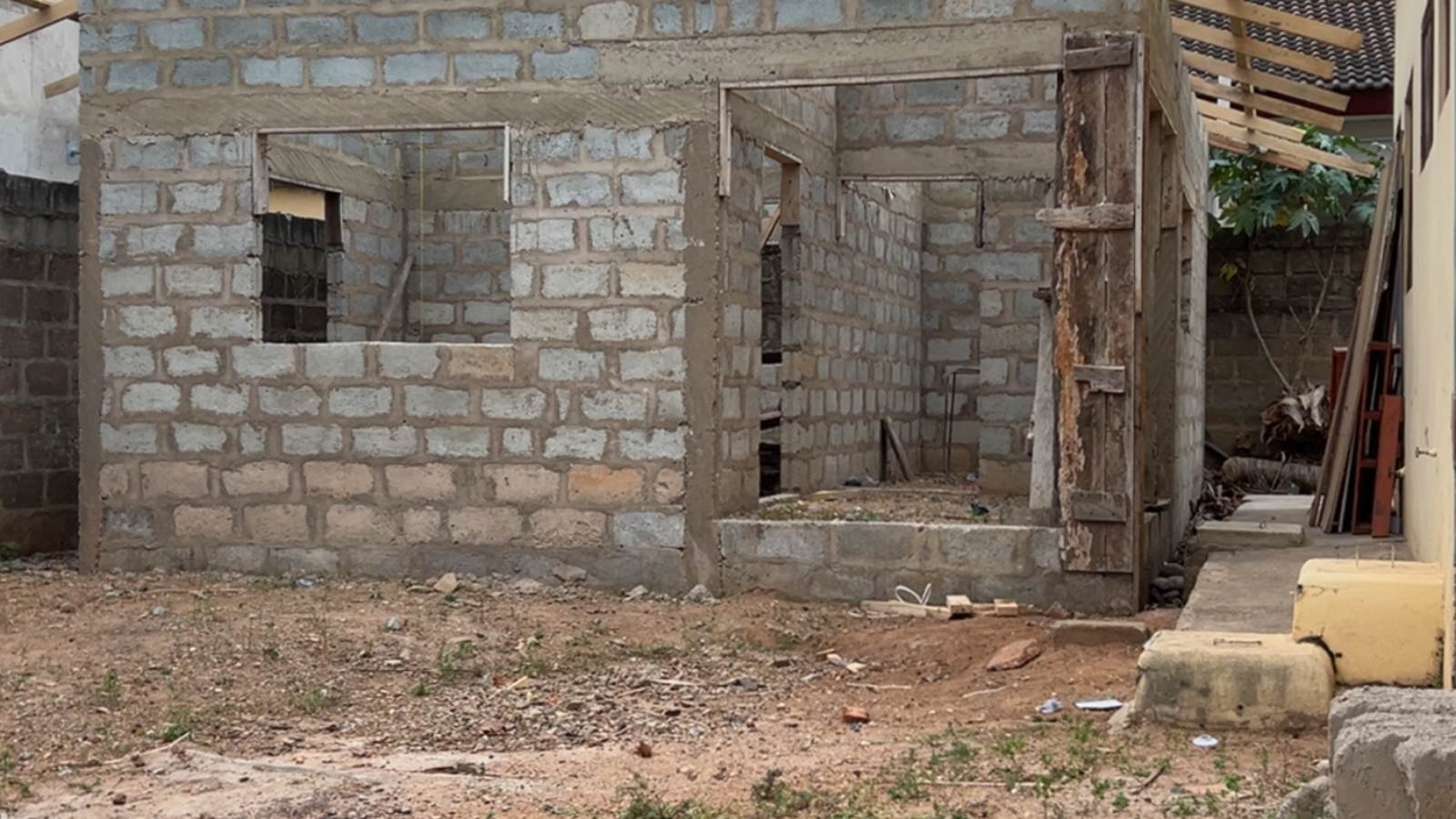
Like you, I live between two worlds. A life built abroad, and a pull toward home that never switches off. And like you, I grew up watching the gap between those worlds swallow money: the half-built houses, the plots sold twice, the family projects that quietly became family wounds.
For years I assumed that was just the price of investing back home. Then my work taught me otherwise. I spent my career in business analysis — the discipline of taking something complicated and risky and breaking it into steps, checks, and evidence until it stops being frightening. When I finally applied that discipline to investing back home — on the ground in Ghana, learning the registries, the agents, the real failure points — something became obvious:
Nobody who followed a proper process was getting burned. And almost nobody had ever been taught one.
The research backs it up. Among UK-resident Ghanaians surveyed by the Commonwealth Secretariat, 62% wanted to start a business back home and 16% had one. In AFFORD’s 2026 survey of 366 diaspora respondents, 86.3% named distrust of home-country institutions as a deterrent, and 78.7% named fear of fraud. The barrier isn’t desire or capital. It’s trust — and trust isn’t a feeling you wait for. It’s a process you run. The Mainland is where you learn it. (Sources: Commonwealth Secretariat, Ghana diaspora report, fieldwork 2017–18, n=452, non-representative; AFFORD, March 2026.)
What The Mainland is
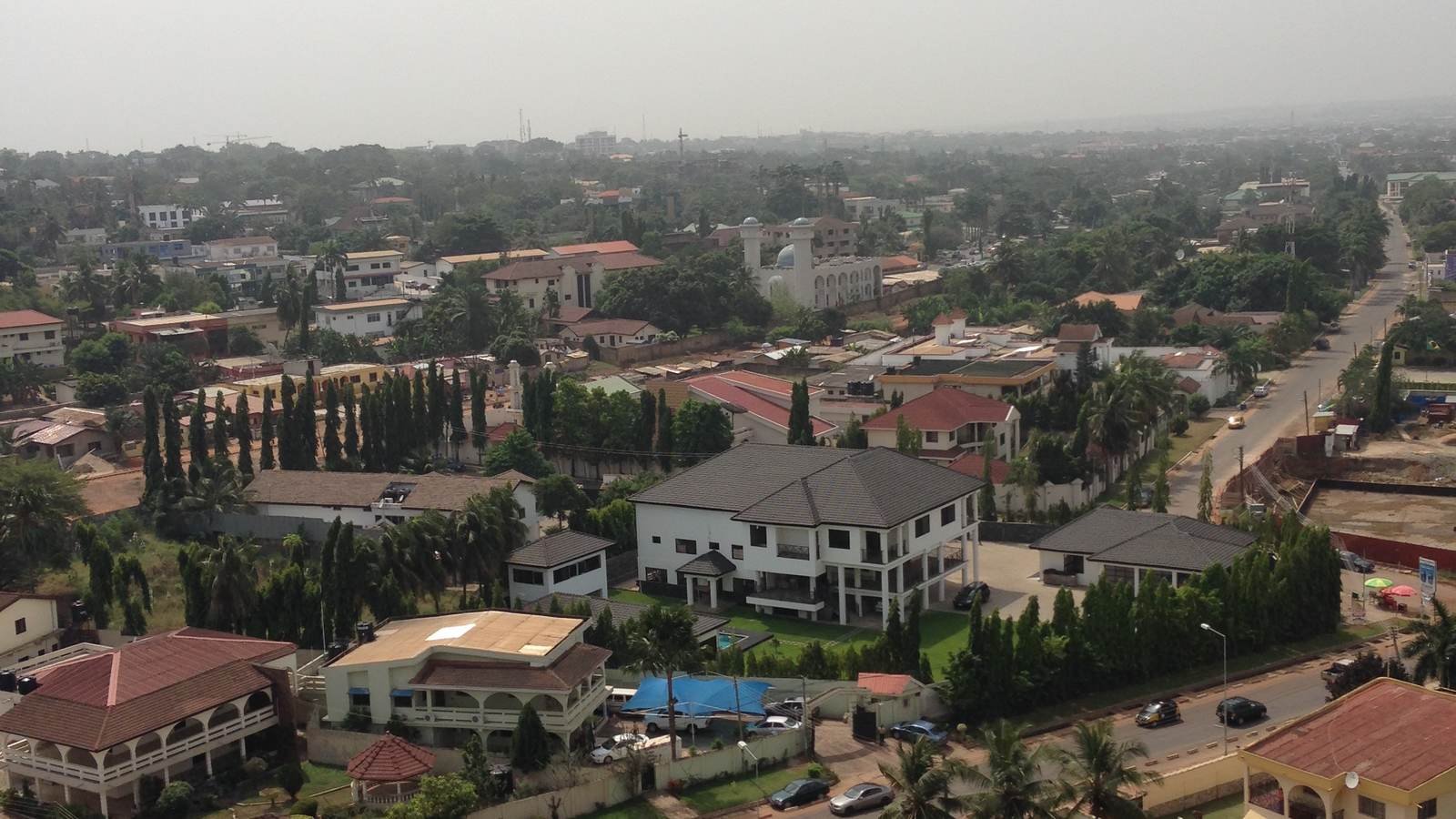
A self-paced school for diaspora investors: free evergreen guides, a free readiness Scorecard, and self-paced tools for planning, executing, and mastering the journey. Everything works from anywhere: London, Atlanta, Toronto, Berlin, Paris, Dubai.
What this covers: every way diaspora money builds back home — farms and food, solar and energy, schools and skills, shops and services, digital ventures, and property that pays. Any move where your money crosses a border on trust. The vehicles differ; the discipline is the same: verify, vet, document, and release money against proof. Because the point was never just protecting your money — it is what your money builds: businesses that employ, schools that teach, and a homeland that prospers when its people build carefully.
What The Mainland is not
- Not market tips. I will never tell you which country, sector, or deal is “hot”. Anyone selling you that for the price of a course is selling you a lottery ticket.
- Not a consultancy. No done-for-you services, no commissions on deals, no hidden interests. I teach the process; you own the decisions.
- Not get-rich-quick. Building back home is a 5–20 year game. The Mainland is for people serious enough to do it properly.
The framework everything here is built on is The Mainland Wealth Blueprint — Vision, Vehicle, Verification, Velocity. Every article, email, and tool maps to one of those four pillars. Start by finding out where you stand on all four: