
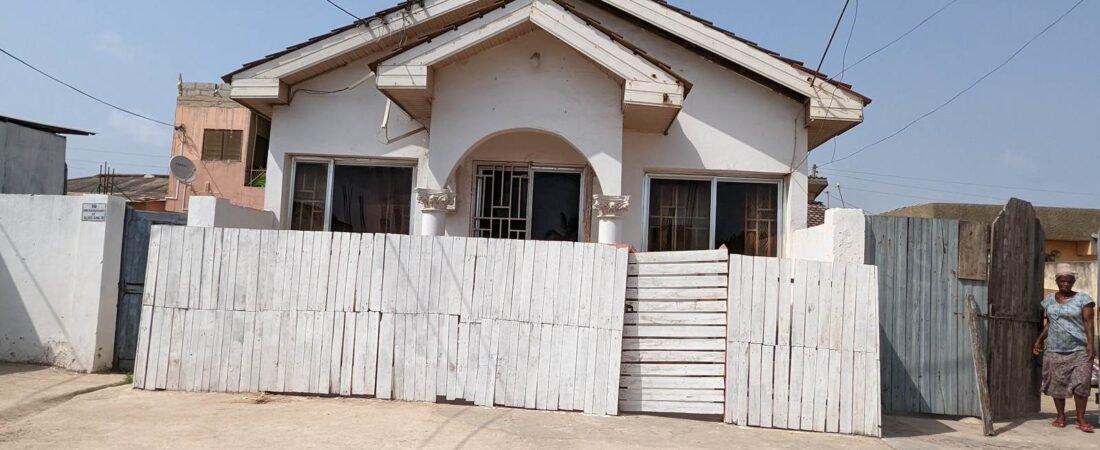
You paid. The family met, hands were shaken, an indenture was signed in the yard and photographed for WhatsApp. That was two years ago. Tonight your cousin mentions that someone has been “asking about that land”, and you realise you cannot say whose name the Lands Commission has against that plot.
Sources last checked: 27 September 2026, against the official sources listed at the end of this guide. If a fee, form or portal has changed since, tell us and we will correct it.
The gap between “everybody knows it’s mine” and “the register says it’s mine” is where most diaspora land losses live. Land registration in Ghana closes it. This guide explains what registration does under the Land Act 2020, deed versus title, what the Lands Commission asks for, and the order to do it in.
Not sure whether your purchase is protected yet? Show me my riskiest gap — free, 3 minutes. 12 questions, instant result.
Why an unregistered indenture is weaker than it looks
Start with the sentence that should change how you feel about the paper in your drawer. Section 227(1) of the Land Act 2020 (Act 1036) says an instrument first executed after the Act came into force “is of no effect until the instrument is registered”. Not weaker. Not provisional. Of no effect.
Two more sections explain why that matters. Section 228 makes registration “actual notice” to everyone: nobody can later claim they did not know. Section 229(2) says registered instruments rank in the order they were presented to the Registry, “irrespective of the dates of the instruments”. The buyer who registers first is ahead of the buyer who signed first.
Now picture the plot sold twice. Both buyers hold a signed indenture. Both paid. The one who lodged at the Lands Commission has a registered interest. The one who kept the papers safe in London has a receipt. The guide on double-sold land explains how it happens; registration is the part of the defence covered here.
Deed registration or title registration: which one covers your plot?
Ghana does not run one land register. Section 80 of the Act sets out three systems: recording of customary interests by Customary Land Secretariats, “registration of instruments relating to land” (deed registration), and “registration of title, interests and rights in land” (title registration). The last two decide how strong your position is.
Deed registration: the document goes on record
Under deed registration the Commission registers the instrument itself: your lease, assignment or conveyance. You get notice and priority (sections 228 and 229), and a copy signed by a Land Registrar is admissible in court (section 230). What you do not get is a state declaration that the seller owned the land. The register records the document; it does not vouch for the chain behind it.
Title registration: the register becomes the proof
Title registration goes further. Section 111(1) says an entry in the land register “shall be conclusive evidence of title” of the holder. Section 119(1) makes the registered proprietor’s rights “indefeasible”, subject to the encumbrances shown in the register and a short list of exceptions. On registration you are issued a land certificate under section 125, tied to a parcel on the registry map. That is what people mean by “land title certificate”.
The catch is geography. Title registration only operates where the Minister has declared a “registration district” under section 89, and once an area is declared, section 89(2) says deed registration “shall cease to be applicable” there. So the question is not “which system do I prefer?” but “which system covers this parcel?” The Regional Lands Commission office for the land can tell you; do not let anyone guess. (Papers that pre-date the Act stay valid under section 282(3). Old is not the problem; unregistered is.)
The registration process, step by step
The sequence follows the Lands Commission’s own requirement pages. The forms differ between the two systems; the order does not.
- Finish the instrument properly. The Commission lists what it must carry: the date, the nature of the instrument (lease, assignment, conveyance), the names, addresses and signatures of every party and witness, and a solicitor’s stamp or seal. Thumbprints need a jurat; the oath of proof must be executed.
- Get the site plan right first. The approved plan must carry the signatures of the licensed surveyor and the Director of the Survey and Mapping Division, the back must be signed by the parties, and the name must match the instrument. A mismatch stops everything.
- Attach the supporting chain. Every document recited in your instrument must be attached, with evidence of concurrence or consent for later dealings in stool or state land. For deed registration the Commission also lists Town and Country Planning comments, a Tax Clearance Certificate from the Ghana Revenue Authority and, beyond a first registration, evidence of ground rent paid. For title registration it asks for the transferor’s original land certificate.
- Stamp the instrument. Stamp duty is assessed by the Commission’s Land Valuation Division, and section 165 of the Act is blunt: an instrument that must be stamped “shall not be accepted for registration if the instrument is not duly stamped”. Stamping comes before lodging. Check the amount on the Commission’s fees page, not a figure someone quotes you.
- Lodge at the Land Registration Division. For deed registration, the stamped instrument and attachments are presented for registration. For a first title registration, section 103 requires the application form, the original deeds (or a statutory declaration where they cannot be found), a list of those documents in triplicate, and an approved plan in triplicate. Get a receipt with a reference number and photograph it.
- Let the Commission check and publish. The Division plots the parcel against its records to catch overlaps. For title registration, section 103(5) requires the application to be published, which gives a competing claimant their chance to object. This stage feels slow and does the most work.
- Collect the registered document, and read it. A registered deed comes back endorsed; title registration produces a land certificate. Check the name, parcel reference, term and encumbrances against what you agreed. Store the original where fire, flood or a family argument cannot reach it, and keep certified copies.
Two timing rules matter. Section 104(2) says that where an approved plan exists and there are no disputes, objections, caveats or conflicting registrations, first registration is presumed to be effected within ninety days. Section 133 says that in a title registration district an instrument should be presented within three months of execution, with an additional fee if late.
The checks to run before you lodge anything
Registration records what you bring; it does not repair it. Before the file goes in, check these.
- Have you run your own Lands Commission search against this exact site plan, in your name, at the published fee? Not the seller’s search, not a screenshot. The guide on verifying a Ghana land title walks through it.
- Does the seller’s own document show they hold enough to grant what you bought? Nobody can assign fifty years out of a lease with ten left.
- Is the interest lawful for you? A non-citizen cannot be granted a freehold, and a lease to a non-citizen cannot exceed fifty years at any one time. Registration will not cure an unlawful grant.
- For family or stool land, do you hold written evidence that the people with authority to grant actually consented? One relative’s signature is not the family.
What a wrong answer sounds like
The reply you get when you ask about registration tells you a great deal. These lines should slow you down.
- “The indenture is enough; the family has always recognised it.” Section 227 says an unregistered instrument is of no effect. Recognition in the yard is not recognition in the register.
- “We’ll register it once you’ve finished paying.” Later is when the second buyer lodges first. Priority follows presentation, not payment.
- “Once it’s registered nobody can ever touch it.” Section 119 protects registered title strongly, but subject to the encumbrances on the register and the overriding interests in section 121. Registered, then visited, then fenced, is the full answer.
Could you hand your lawyer a complete registration file tomorrow?
The Diaspora Toolkit (£97) gives you the document checklist, the vetting scripts and the tracker to run this process from abroad without guessing. If it does not earn its keep, one email inside 30 days and you are refunded in full, and you keep the files.
What registration does not do for you
I want to be honest about limits, because a registered document can create a false calm. Registration gives you notice, priority and, under title registration, conclusive evidence of your interest. It does not visit the land for you. Register early, then keep showing up: a fence, a caretaker with a written agreement, a photograph every quarter. If you have not paid yet, start with the complete Ghana buying process and treat this article as its final gate. If you have already paid, the file not yet lodged is the most urgent thing on your list.
Verify it yourself — official sources
- Lands Commission of Ghana — Title registration requirements
- Lands Commission of Ghana — Deed registration requirements
- Lands Commission of Ghana — Stamping (assessment of stamp duty)
- Lands Commission of Ghana — Fees and charges (current schedule)
- Land Act 2020 (Act 1036), sections 80, 89, 103–104, 111, 119, 125, 133, 165, 227–229 — PDF copy (mirror; check against the Lands Commission or Parliament for the official text)
Related guides on The Mainland
Frequently asked questions
What is the difference between deed registration and title registration in Ghana?
Deed registration records the document (your lease, assignment or conveyance) at the Lands Commission. Under sections 228 and 229 of the Land Act 2020 that gives you public notice and priority over later instruments, but the state does not guarantee that the seller owned what they sold. Title registration, which operates only in registration districts declared under section 89, registers you as proprietor of a parcel: section 111 makes the register conclusive evidence of title, section 119 makes your rights indefeasible subject to what the register shows, and you receive a land certificate under section 125. Which applies depends on where the land is; ask the Regional Lands Commission office.
How long does land registration take in Ghana?
The Land Act 2020 sets an expectation rather than a promise. Section 104(2) says that where an approved plan exists and there are no disputes, objections, caveats or conflicting registrations, first registration is presumed to be effected within ninety days. In practice it depends on whether your file is complete, whether plotting finds an overlap, and whether anyone objects after publication.
Can I register land in Ghana from abroad?
You can drive the process from abroad, but someone has to sign, pay, lodge and follow up in Ghana, usually a licensed Ghanaian lawyer or a trusted representative under a narrow, written power of attorney limited to registering that parcel. Stamp duty must be assessed and paid before the Lands Commission accepts the instrument, and the original documents and approved site plan have to be physically lodged. Keep every receipt and reference number, and check the registered document yourself when it comes back.
If someone challenged your plot tomorrow, would the register be on your side?
Take the free 3-minute Scorecard: 12 questions, an instant result, and a clear view of where your process is weakest before the next call from home. Show me where my process is weakest.
Send this to the sibling who keeps the family’s land papers in a folder and has never checked whether any of them are registered.
The Mainland teaches process, not legal, financial or tax advice. Verify locally; use licensed professionals.
Ready to run the process, not the vibes?
Everything this article describes — the searches, the surveyor step, the staged payments, the deal file — is a checklist inside the Diaspora Toolkit. You keep the files for life, and you have 30 days to decide it was worth £97.